
How to Cook Chicken
Learn how to cook chicken safely with preparation, seasoning, pan or oven methods, thermometer checks, resting, mistakes, troubleshooting, and FAQs.
Quick Answer
To cook chicken safely, thaw it properly, pat it dry, season it, cook using a pan, oven, grill, or air fryer until the thickest part reaches 165°F, rest briefly, avoid cross-contamination, and refrigerate leftovers promptly. A food thermometer is the safest way for beginners to check doneness.
Ingredients and Tools
- Chicken pieces
- Salt and seasoning
- Oil if pan-cooking
- Skillet, oven dish, grill, or air fryer
- Food thermometer
- Tongs
- Clean plate
- Soap and hot water for cleanup
Safety Precautions
- Cook chicken to 165°F for a simple beginner-safe rule.
- Do not rinse raw chicken because splashing can spread bacteria.
- Use separate boards or wash surfaces after raw chicken contact.
- Refrigerate leftovers promptly.
- Use official food-safety guidance for vulnerable people.
Step-by-Step Instructions
- Step 1
Thaw safely if frozen
Thaw in the refrigerator or use a safe quick-thaw method. Do not leave chicken on the counter for hours.
- Step 2
Pat dry and season
Dry the surface with paper towels, then season with salt, pepper, or your recipe seasoning.
- Step 3
Choose a cooking method
Use a skillet for quick pieces, oven for even cooking, grill for smoky flavor, or air fryer for convenience.
- Step 4
Cook evenly
Avoid crowding the pan. Turn pieces as needed and manage heat so the outside does not burn before the inside cooks.
- Step 5
Check temperature
Insert a thermometer into the thickest part, away from bone. For beginners, cook chicken to 165°F.
- Step 6
Rest briefly
Let chicken rest for a few minutes so juices settle.
- Step 7
Serve or store safely
Use a clean plate, not the raw-chicken plate. Refrigerate leftovers promptly.
- Step 8
Clean up
Wash hands, boards, utensils, and surfaces that touched raw chicken.
Practical Example
Example: You cook boneless chicken breasts in a skillet. You pat them dry, season, sear on medium heat, flip, lower the heat, check the thickest part with a thermometer, remove at 165°F, rest, and slice.
Common Mistakes
- Guessing doneness by color only
- Rinsing raw chicken
- Using the same plate for raw and cooked chicken
- Cooking on heat that is too high
- Skipping the thermometer
- Cutting immediately without resting
Troubleshooting
Chicken is dry
Use a thermometer, avoid overcooking, and consider thicker pieces, marinade, or lower heat.
Outside burns before inside cooks
Lower the heat, use thinner pieces, or finish in the oven.
Chicken is still under 165°F
Keep cooking and recheck in the thickest part.
The thermometer reading changes
Check multiple spots and avoid bone, pan, or stuffing contact.
Helpful Internal Links
FAQs
What temperature should chicken reach?
For a simple beginner-safe rule, cook chicken to 165°F in the thickest part.
Should I wash raw chicken?
No. Washing can spread bacteria through splashing. Cooking to a safe temperature is what matters.
How do I keep chicken juicy?
Avoid overcooking, use a thermometer, rest after cooking, and choose a method suited to the cut.
Can chicken be a little pink?
Color alone is not reliable. Use a thermometer and follow food-safety guidance.
Related Guides
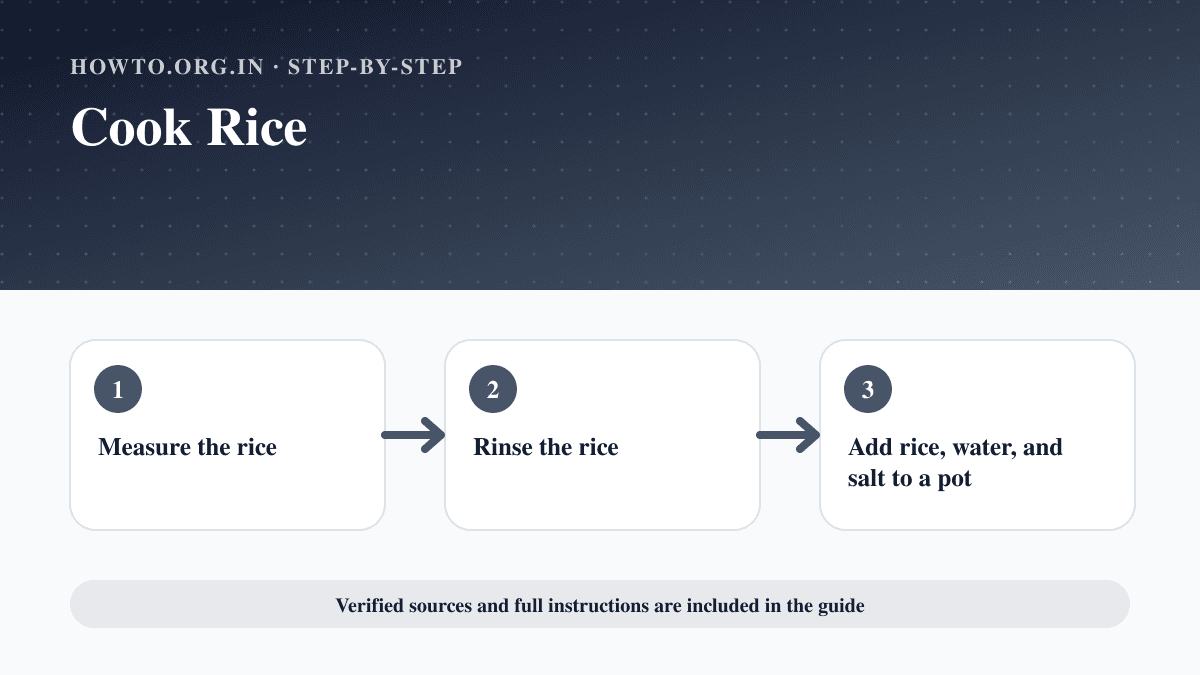
How to Cook Rice
Learn how to cook rice on the stove with simple water ratios, rinsing tips, resting time, sticky-rice fixes, common mistakes, troubleshooting, and FAQs.
How to Cook Pasta
Learn how to cook pasta properly with exact water and salt guidance, step-by-step instructions, a pasta cooking time table, sticky pasta fixes, mistakes, and FAQs.
How to Cook Chicken Breast in Oven
Learn how to cook chicken breast in the oven with seasoning, temperature, safe doneness, resting, mistakes, troubleshooting, and FAQs.
Help us improve this guide
Tell us about an outdated instruction, unclear step, broken link or safety concern. Do not include passwords, account numbers, medical records or other sensitive information.