
How to Fix Squeaky Brakes
Learn how to handle squeaky brakes with safe inspection, brake pad checks, rotor signs, dust, warning symptoms, mistakes, troubleshooting, and FAQs.
Quick Answer
To fix squeaky brakes, first identify when the squeak happens, inspect brake pads and rotors safely, remove dust if appropriate, check for worn pads or hardware, and use a mechanic immediately for grinding, vibration, pulling, soft pedal, or reduced braking.
Tools and Materials
- Owner manual
- Flashlight
- Jack and stands if inspecting wheels
- Wheel chocks
- Brake cleaner if appropriate
- Mechanic support
Safety Precautions
- Brakes are safety-critical; do not guess if you are unsure.
- Never work under a vehicle supported only by a jack.
- Do not drive with grinding, soft pedal, brake warning light, pulling, or reduced stopping power.
- Use brake cleaner only as labeled and with ventilation.
- Have a qualified mechanic inspect persistent noise.
Step-by-Step Instructions
- Step 1
Note the pattern
Record whether squeak happens cold, wet, braking lightly, or constantly.
- Step 2
Check warning signs
Stop driving and seek help for grinding, pulling, vibration, or weak braking.
- Step 3
Inspect visible pads
Look through the wheel for pad thickness if possible.
- Step 4
Check rotor surface
Look for deep grooves, rust, or scoring.
- Step 5
Clean dust if safe
Use appropriate brake cleaner, not household oils or lubricants.
- Step 6
Replace worn parts
Worn pads, shims, or hardware may need replacement.
- Step 7
Test carefully
After service, test brakes at low speed in a safe area.
Practical Example
Example: Your brakes squeak only after rain and stop quickly, so you monitor them. Later the squeak becomes grinding, and you stop driving until a mechanic replaces worn pads.
Common Mistakes
- Spraying lubricant on brakes
- Ignoring grinding
- Working under jack only
- Replacing pads without checking rotors
- Assuming all squeaks are harmless
- Skipping test drive safety
Troubleshooting
Squeak after rain
Light surface rust can clear, but persistent noise needs inspection.
Grinding noise
Stop driving and get brake service.
Car pulls when braking
Get immediate inspection for brake or tire issues.
New brakes squeak
Ask installer about bedding, hardware, shims, and rotor condition.
Helpful Internal Links
FAQs
Are squeaky brakes dangerous?
Sometimes. Occasional moisture squeak may be minor, but persistent squeak, grinding, or reduced braking needs inspection.
Can I spray WD-40 on brakes?
No. Do not put lubricants on brake friction surfaces.
How do I know pads are worn?
Look for low pad thickness, wear indicators, grinding, or longer stopping distance.
When should I see a mechanic?
See one for persistent noise, warning lights, vibration, pulling, grinding, or soft pedal.
Related Guides
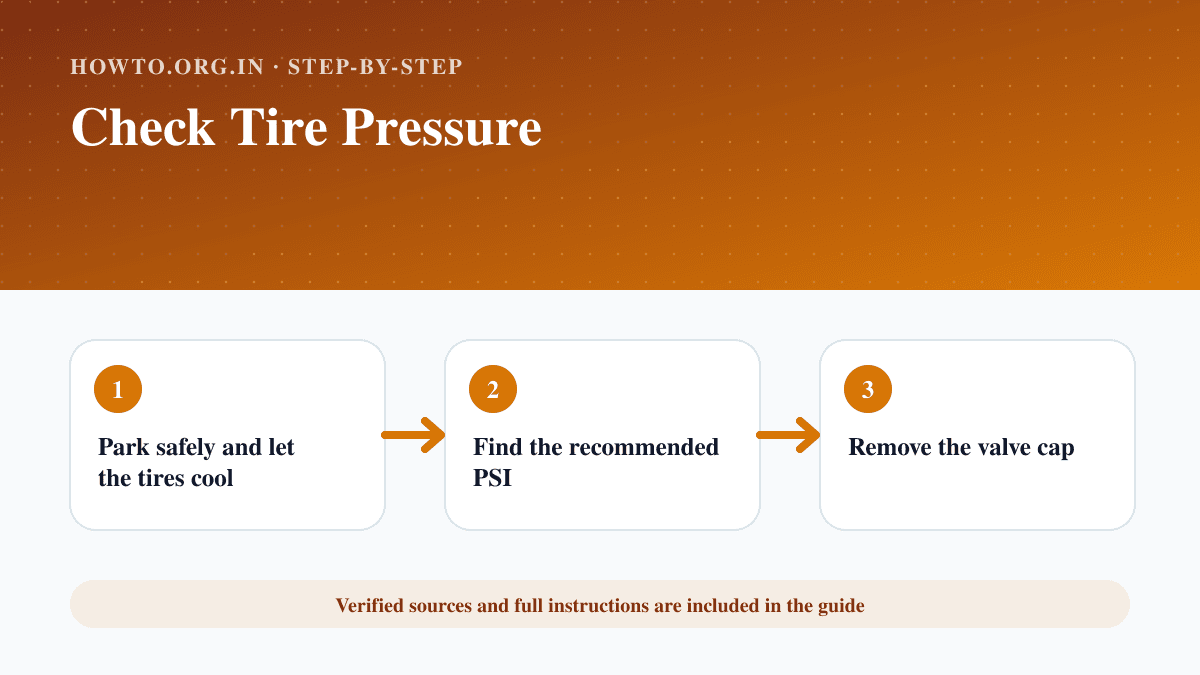
How to Check Tire Pressure
Learn how to check tire pressure safely with a gauge, find the correct PSI, add or release air, avoid common mistakes, and troubleshoot low-pressure warnings.
How to Fix Squeaky Door
Learn how to fix a squeaky door by identifying hinge noise, cleaning pins, lubricating, tightening screws, troubleshooting, and avoiding mistakes.
How to Assemble Furniture
Learn how to assemble furniture with parts sorting, instructions, tools, alignment, safety, common mistakes, troubleshooting, and FAQs.
Help us improve this guide
Tell us about an outdated instruction, unclear step, broken link or safety concern. Do not include passwords, account numbers, medical records or other sensitive information.