
How to Get Rid of Mice
Learn how to get rid of mice with inspection, sealing, food control, traps, safe cleanup, mistakes, troubleshooting, and when to call pest control.

Quick Answer
To get rid of mice, remove food and water sources, seal small entry holes, place traps along walls where activity is seen, avoid touching droppings dry, disinfect contaminated areas safely, and call a professional for large infestations, repeated activity, or unsafe cleanup conditions.
Supplies Required
- Gloves
- Disinfectant or bleach solution
- Paper towels
- Sealant or steel wool
- Snap or enclosed traps
- Sealed food containers
- Flashlight
- Trash bags
Safety Precautions
- Do not sweep or vacuum dry droppings because particles can become airborne.
- Wear gloves when cleaning contaminated areas.
- Follow CDC-style rodent cleanup guidance and disinfect before wiping.
- Keep traps and bait away from children and pets.
- Call a professional for heavy infestations.
Step-by-Step Instructions
- Step 1
Look for signs
Check for droppings, gnaw marks, scratching sounds, nesting material, and grease marks along walls.
- Step 2
Remove food sources
Store food and pet food in sealed containers and clean crumbs, trash, and spills.
- Step 3
Seal entry points
Close holes around pipes, doors, vents, foundations, and cabinets with durable materials.
- Step 4
Place traps correctly
Set traps along walls and near activity, following product directions.
- Step 5
Check traps daily
Dispose of trapped mice safely and reset until activity stops.
- Step 6
Clean safely
Ventilate, spray droppings with disinfectant, wait, wipe with paper towels, and discard waste in a covered trash container.
- Step 7
Prevent return
Keep storage areas tidy, reduce clutter, repair gaps, and monitor for new signs.
Practical Example
Example: You find droppings under the sink. You seal the pipe gap, move pet food into a sealed bin, place enclosed traps along the wall, and disinfect droppings before wiping.
Common Mistakes
- Vacuuming dry droppings
- Leaving food accessible
- Using too few traps
- Ignoring entry holes
- Touching contaminated material without gloves
- Waiting too long to call a pro
Troubleshooting
Traps are not catching mice
Move traps along walls where droppings appear and use a small amount of suitable bait.
Mice keep returning
Look for unsealed entry points and outdoor food sources.
There are many droppings
Consider professional cleanup and pest control, especially in enclosed spaces.
I have pets or children
Use enclosed traps or professional services and avoid accessible poison bait.
When to Get Help
- You see repeated activity after sealing and trapping.
- There is a large infestation or strong odor.
- Droppings are in HVAC, attic, crawlspace, or food areas.
- You cannot clean safely.
- Children, pets, or vulnerable people are at risk.
Helpful Internal Links
FAQs
What attracts mice indoors?
Food, warmth, shelter, clutter, water, and small openings commonly attract mice.
How small a hole can mice enter?
Mice can enter very small gaps, so seal openings around pipes, doors, vents, and foundations.
Should I use poison?
Poison can create risks for children, pets, and hidden dead rodents. Consider traps or professional help.
How should I clean droppings?
Do not sweep or vacuum dry droppings. Disinfect first, then wipe while wearing gloves.
Related Guides

How to Get Rid of Ants
Learn how to get rid of ants by finding trails, removing food sources, sealing entry points, using bait safely, avoiding mistakes, and knowing when to call a pro.
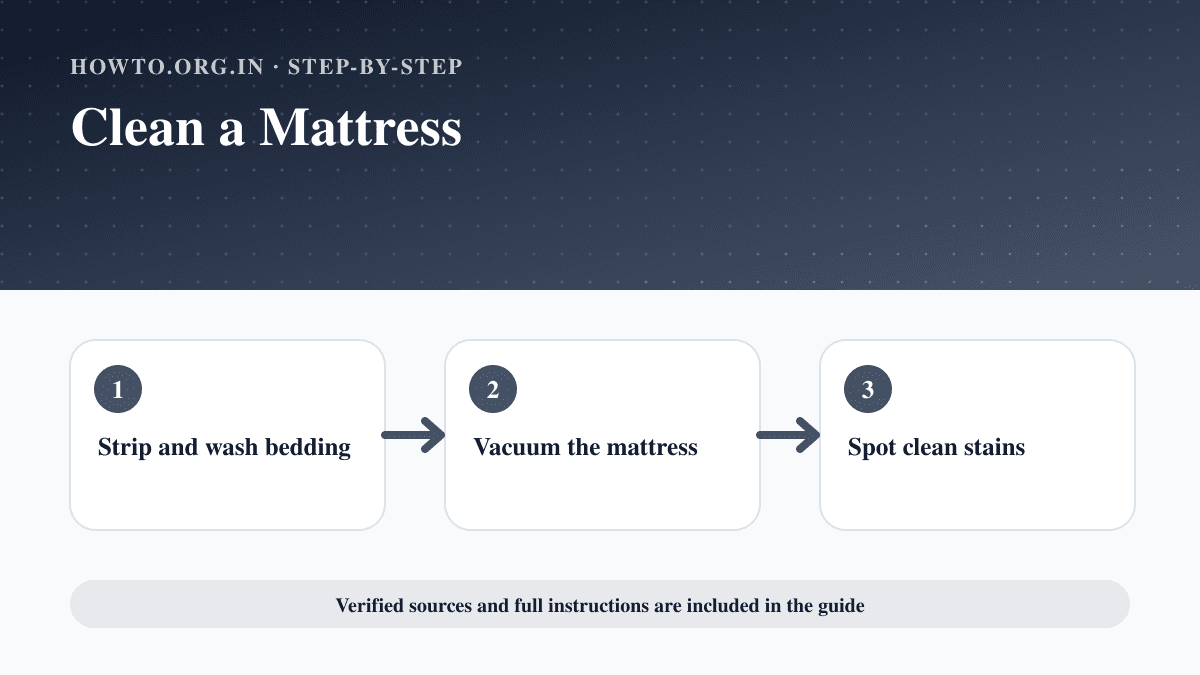
How to Clean a Mattress
Learn how to clean a mattress with vacuuming, spot cleaning, baking soda, drying, stain and odor tips, mistakes, troubleshooting, and FAQs.
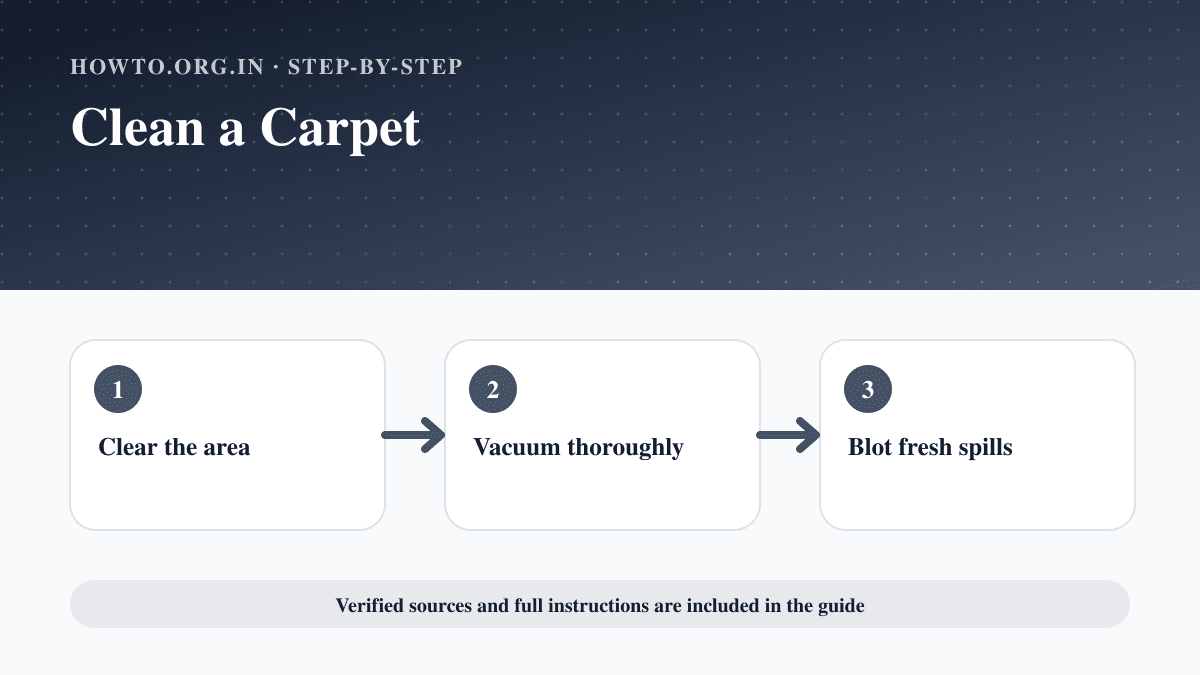
How to Clean a Carpet
Learn how to clean a carpet with vacuuming, spot treatment, deep cleaning, drying, stain safety, common mistakes, troubleshooting, and FAQs.
Help us improve this guide
Tell us about an outdated instruction, unclear step, broken link or safety concern. Do not include passwords, account numbers, medical records or other sensitive information.