
How to Repair Drywall
Learn how to repair drywall with patching, joint compound, sanding, priming, painting, lead-paint safety, common mistakes, and FAQs.
Quick Answer
To repair drywall, cut away loose material, apply a patch or tape, cover with thin layers of joint compound, let each layer dry, sand smooth, prime, and paint. For homes built before 1978, check lead-paint safety before sanding or disturbing painted surfaces.
Tools and Materials
- Drywall patch or tape
- Joint compound
- Putty knife
- Utility knife
- Sandpaper or sanding sponge
- Primer
- Paint
- Dust mask or respirator
- Drop cloth
Safety Precautions
- EPA warns that repair work in pre-1978 homes can create dangerous lead dust if lead-based paint is disturbed.
- Wear eye and respiratory protection when sanding.
- Control dust and protect floors.
- Avoid cutting into areas with electrical wires or plumbing.
- Use a professional for large, wet, moldy, or structural damage.
Step-by-Step Instructions
- Step 1
Assess damage
Identify whether it is a nail hole, small dent, medium hole, or large damaged area.
- Step 2
Clean edges
Cut away loose paper or crumbling drywall.
- Step 3
Apply patch
Use spackle for tiny holes, mesh patch for small holes, or drywall piece for larger holes.
- Step 4
Add compound
Spread a thin layer of joint compound beyond the patch.
- Step 5
Let dry
Allow full drying before adding another coat.
- Step 6
Sand smooth
Sand lightly and control dust.
- Step 7
Prime and paint
Prime the repair before painting so the patch blends.
Practical Example
Example: For a doorknob hole, you apply a mesh patch, cover it with three thin coats of compound, sand smooth, prime, and repaint the wall.
Common Mistakes
- Using one thick coat
- Sanding before dry
- Skipping primer
- Ignoring lead paint risk
- Failing to feather edges
- Patching over moisture damage
Troubleshooting
Patch is visible
Feather compound wider, sand smooth, prime, and repaint.
Compound cracks
Use thinner coats and proper patch support.
Repair is soft or damp
Fix moisture source before patching.
Dust spreads everywhere
Use drop cloths, dust control, and vacuum carefully.
Helpful Internal Links
FAQs
Can I repair drywall myself?
Small and medium holes are often DIY-friendly; large, wet, moldy, or electrical-area damage may need a professional.
Do I need primer after drywall repair?
Yes, primer helps the repair blend with paint.
How many coats of compound?
Several thin coats usually look better than one thick coat.
What about old paint?
For pre-1978 homes, check EPA lead-safe guidance before sanding or disturbing paint.
Related Guides
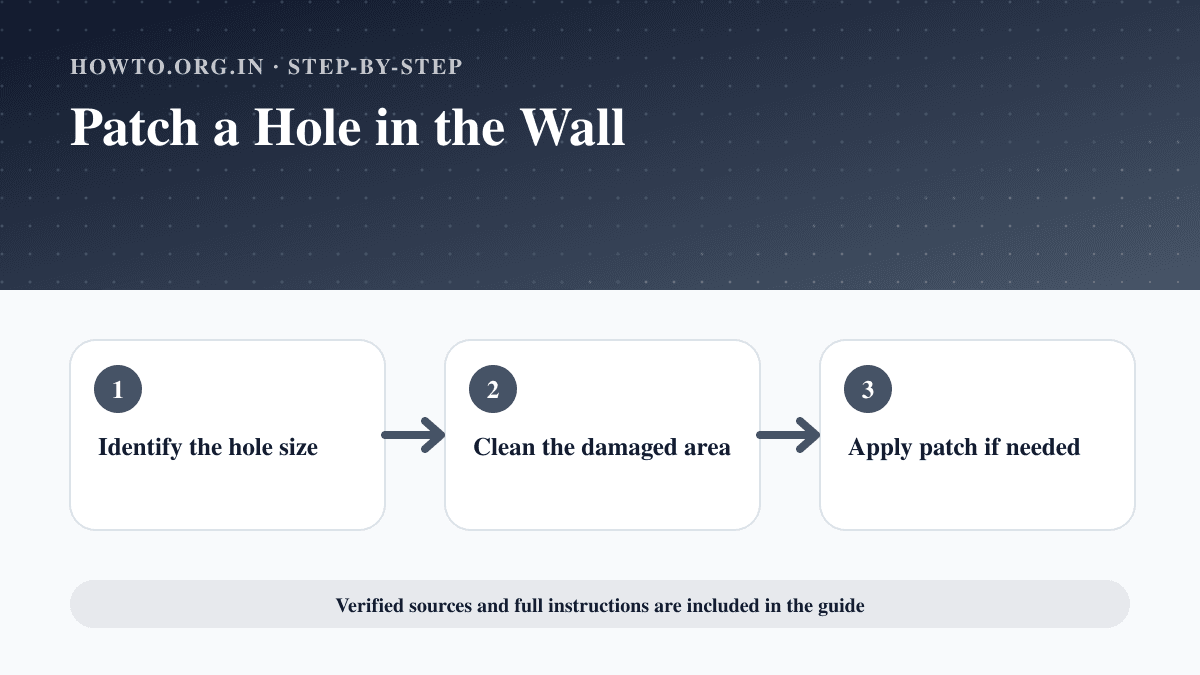
How to Patch a Hole in the Wall
Learn how to patch small and medium wall holes with spackle or a drywall patch, sand, prime, paint, avoid mistakes, and troubleshoot visible repairs.
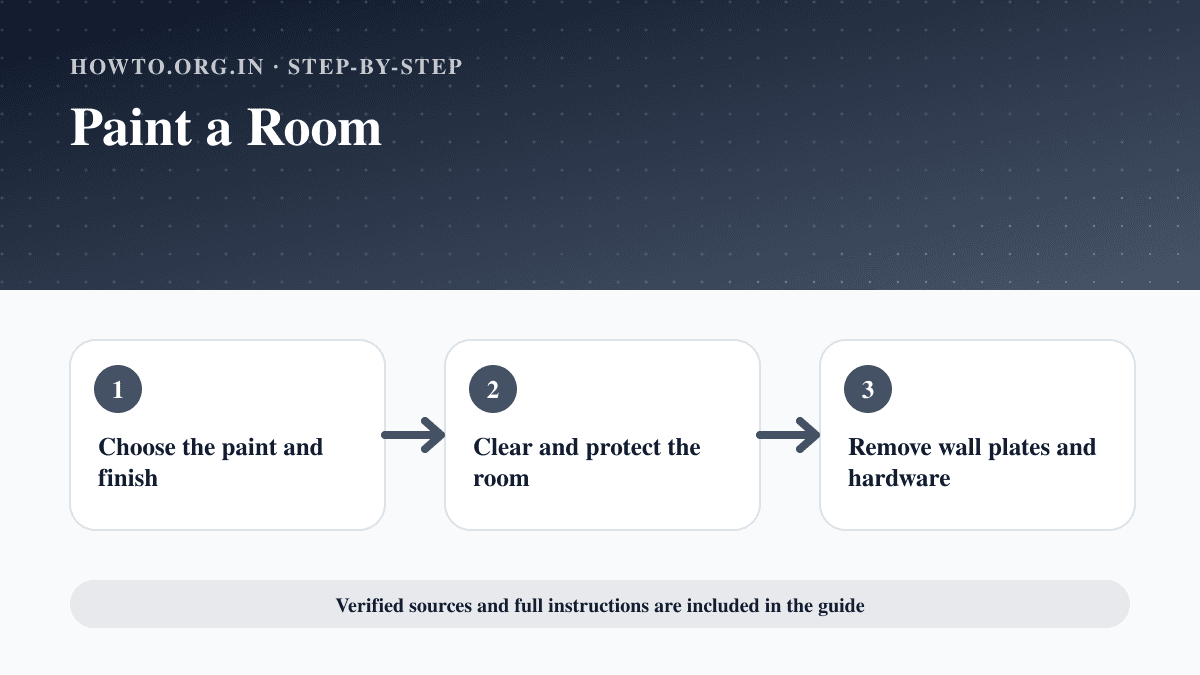
How to Paint a Room
Learn how to paint a room with tools, prep steps, wall repair, taping, cutting in, rolling, drying, second coat tips, mistakes, troubleshooting, and FAQs.
How to Paint Kitchen Cabinets
Learn how to paint kitchen cabinets with cleaning, sanding, priming, labeling doors, ventilation, drying time, mistakes, troubleshooting, and FAQs.
Help us improve this guide
Tell us about an outdated instruction, unclear step, broken link or safety concern. Do not include passwords, account numbers, medical records or other sensitive information.