
How to Stop Dog Barking
Learn how to reduce dog barking with trigger tracking, exercise, quiet training, management, mistakes, troubleshooting, and when to call a professional.
Quick Answer
To stop dog barking, identify the trigger, meet the dog’s exercise and enrichment needs, reduce access to constant triggers, reward quiet behavior, teach a cue like quiet, and ask a veterinarian or certified trainer for help if barking is sudden, fearful, aggressive, or severe.
What You Need
- Treats
- Leash or barrier
- Notebook for triggers
- Toys or puzzle feeder
- Calm practice time
- Veterinary or trainer contact if needed
Safety Precautions
- Do not punish barking with yelling, hitting, or fear-based tools.
- Do not ignore sudden behavior changes; pain, anxiety, or illness can contribute.
- Keep people and pets separated if barking includes lunging, biting, or aggression.
- Check local noise rules and neighbor concerns.
- Use a qualified professional for severe anxiety or aggression.
Step-by-Step Instructions
- Step 1
Track triggers
Write down when barking happens, what the dog sees or hears, and how long it lasts.
- Step 2
Meet basic needs
Provide walks, play, bathroom breaks, and mental enrichment.
- Step 3
Manage the environment
Close curtains, use white noise, or move the dog away from repeat triggers.
- Step 4
Reward quiet moments
Mark and treat when the dog notices a trigger but stays quiet.
- Step 5
Teach a quiet cue
Practice when the dog is mildly alert, reward silence, and keep sessions short.
- Step 6
Avoid accidental rewards
Do not give attention, access, or excitement right after demand barking.
- Step 7
Get help if needed
Use a veterinarian or certified trainer for persistent, fearful, or aggressive barking.
Practical Example
Example: Your dog barks at people passing the window, so you close the lower blinds, reward calm glances, add a morning walk, and practice quiet cue sessions daily.
Common Mistakes
- Yelling back
- Training only when dog is already frantic
- Skipping exercise
- Rewarding demand barking
- Using punishment collars without guidance
- Ignoring sudden barking changes
Troubleshooting
Dog barks at windows
Block visual access and reward calm behavior from a distance.
Dog barks when alone
Consider separation distress and consult a veterinarian or qualified trainer.
Dog barks at visitors
Use barriers, distance, and calm reward-based practice.
Nothing helps
Look for pain, anxiety, breed needs, or professional training gaps.
Helpful Internal Links
FAQs
Can barking be stopped completely?
Usually no. Barking is normal communication; the goal is reducing excessive or unsafe barking.
Should I yell quiet?
Yelling can sound like joining the barking and may increase excitement.
Do bark collars work?
They may suppress symptoms but can create fear or stress; ask a qualified professional before using aversive tools.
When should I call a vet?
Call if barking starts suddenly, comes with distress, aggression, pain signs, or major behavior change.
Related Guides
How to Practice Active Listening
Learn how to practice active listening with attention, reflection, open questions, body language, mistakes, troubleshooting, and FAQs.
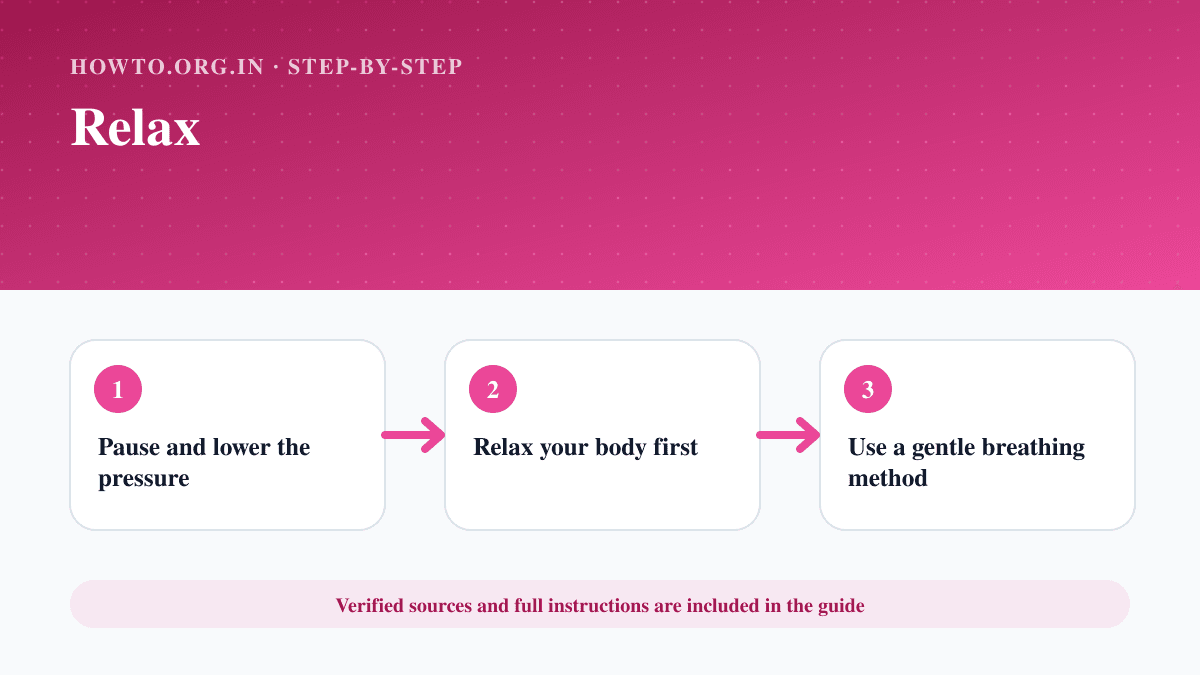
How to Relax
Learn simple ways to relax with a 5-minute routine, breathing method, daily relaxation habits, common mistakes, troubleshooting, and when to get professional help.
How to Stop Procrastinating
Learn how to stop procrastinating with a simple task-starting method, distraction fixes, planning steps, common mistakes, troubleshooting, and FAQs.
Help us improve this guide
Tell us about an outdated instruction, unclear step, broken link or safety concern. Do not include passwords, account numbers, medical records or other sensitive information.