
How to Be Happy
Learn how to be happy with practical daily habits, relationships, gratitude, movement, boundaries, mistakes, troubleshooting, and when to get help.
Quick Answer
To be happier, focus on small repeatable habits: sleep enough, move your body, spend time with supportive people, reduce constant comparison, do meaningful activities, practice gratitude, solve one problem at a time, and get professional help if sadness, anxiety, or hopelessness persist.
What You Need
- Honest self-check
- Small daily routine
- Supportive people
- Meaningful activity
- Sleep and movement habits
- Time away from comparison triggers
Safety Precautions
- This is general wellbeing information, not mental health treatment.
- Happiness is not a constant state and should not be forced.
- Seek professional or crisis support if you feel hopeless, unsafe, or unable to function.
Step-by-Step Instructions
- Step 1
Start with basics
Support mood with sleep, regular meals, movement, sunlight when possible, and reduced overload.
- Step 2
Name what is missing
Ask whether you need rest, connection, purpose, safety, progress, or fewer stressors.
- Step 3
Reduce comparison
Limit social media or situations that make you constantly measure your life against others.
- Step 4
Add small meaningful actions
Do one activity that reflects your values, helps someone, or moves life forward.
- Step 5
Strengthen relationships
Reach out to supportive people and spend less energy on draining interactions where possible.
- Step 6
Practice gratitude realistically
Write a few specific things you appreciate without denying real problems.
- Step 7
Solve one problem at a time
Choose one stressor you can influence and take a small next step.
Practical Example
Example: You notice evenings feel lonely, so you schedule two walks a week with a friend, reduce late-night scrolling, and keep a three-line gratitude note.
Common Mistakes
- Expecting constant happiness
- Ignoring sleep and stress
- Comparing your life to edited posts
- Trying to fix everything at once
- Pretending problems do not exist
- Isolating when support is needed
Troubleshooting
Nothing feels enjoyable
Start with very small routines and consider professional support if this persists.
I compare myself constantly
Reduce triggers and replace scrolling with a specific offline action.
I feel stuck
Pick one controllable problem and one tiny step, then repeat tomorrow.
People around me drain me
Set boundaries where possible and spend more time with supportive people.
When to Get Help
- Sadness, anxiety, numbness, hopelessness, or irritability persists.
- You cannot function normally at work, school, or home.
- You feel unsafe or have thoughts of self-harm.
- Substance use, panic, trauma, or major stress is affecting daily life.
Helpful Internal Links
FAQs
Can habits make me happier?
Habits can support wellbeing, but they do not replace professional care when needed.
Is it normal not to feel happy all the time?
Yes. Mood changes are normal, and constant happiness is not realistic.
What is a quick way to feel a little better?
Try a short walk, a message to someone supportive, tidying one small area, or a few slow breaths.
When should I seek help?
Seek help if distress is persistent, intense, affects functioning, or makes you feel unsafe.
Related Guides
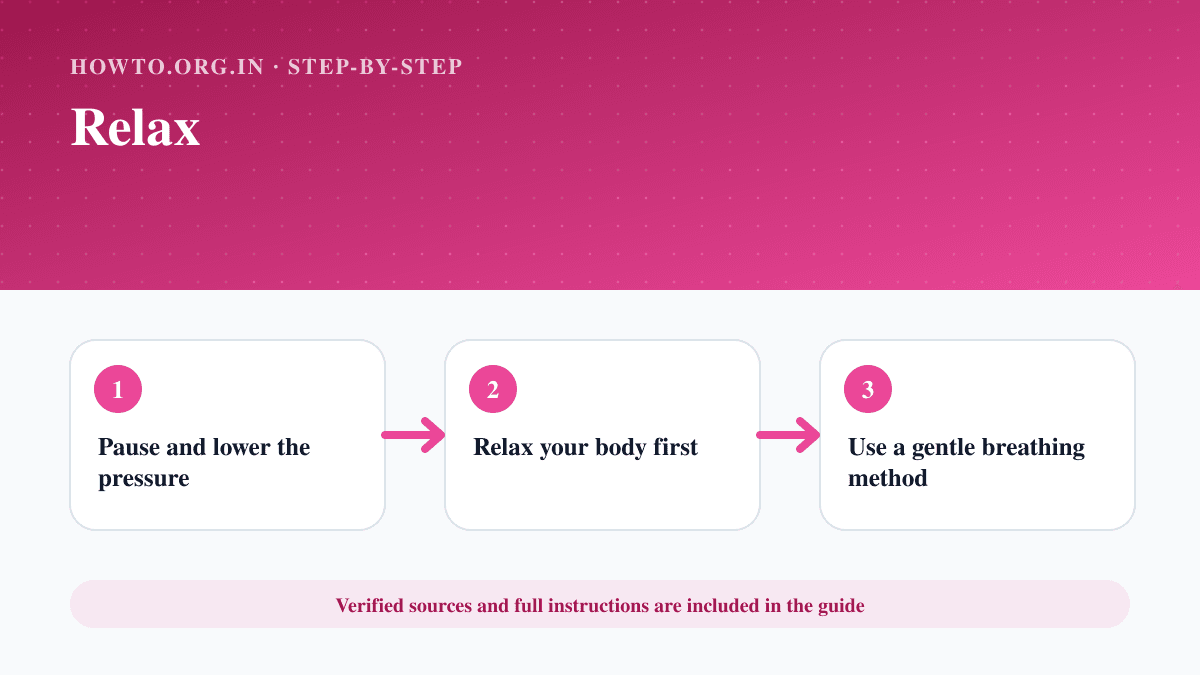
How to Relax
Learn simple ways to relax with a 5-minute routine, breathing method, daily relaxation habits, common mistakes, troubleshooting, and when to get professional help.
How to Build Good Habits
Learn how to build good habits with a cue, tiny action, reward, tracking method, common mistakes, troubleshooting, and FAQs.
How to Be Confident
Learn how to be more confident with small goals, preparation, body language, self-talk, practice, mistakes, troubleshooting, and when to seek help.
Help us improve this guide
Tell us about an outdated instruction, unclear step, broken link or safety concern. Do not include passwords, account numbers, medical records or other sensitive information.