
How to Plan a Trip
Learn how to plan a trip with destination, budget, dates, documents, transport, accommodation, itinerary, packing, safety, mistakes, and FAQs.
Quick Answer
To plan a trip, choose your destination and dates, set a budget, check travel documents and entry rules, compare transport and accommodation, make a simple itinerary, book essentials, plan local transport, prepare emergency information, pack for the weather and activities, and keep confirmations accessible offline.
What You Need
- Destination idea
- Travel dates
- Budget
- ID or passport details
- Transport options
- Accommodation options
- Weather check
- Packing list
Safety Precautions
- Check current travel rules, advisories, and entry requirements before booking.
- Keep copies of important documents.
- Share your itinerary with someone trusted.
- Buy travel insurance if appropriate for your trip.
- Keep emergency contacts accessible offline.
Step-by-Step Instructions
- Step 1
Choose destination and purpose
Decide whether the trip is for rest, sightseeing, family, work, adventure, or an event.
- Step 2
Set dates and length
Check work, school, weather, local holidays, and event dates.
- Step 3
Create a budget
Estimate transport, accommodation, food, activities, local travel, documents, insurance, and emergency buffer.
- Step 4
Check documents and rules
Confirm passport, ID, visa, vaccination, driving permit, or entry requirements where relevant.
- Step 5
Book transport and accommodation
Compare location, cancellation policy, total fees, and arrival time before booking.
- Step 6
Build a simple itinerary
Plan one or two main activities per day and leave room for meals, travel time, and rest.
- Step 7
Plan local transport
Check airport transfers, public transit, ride apps, parking, or rental needs.
- Step 8
Prepare confirmations and safety info
Save bookings offline, note emergency numbers, and share your plan with someone trusted.
- Step 9
Pack with a checklist
Pack documents, medications, chargers, weather-appropriate clothing, and activity-specific items.
Practical Example
Example: You plan a four-day city trip. You set a $900 budget, choose dates, book a hotel near public transit, save museum tickets offline, plan two activities per day, and pack based on the weather forecast.
Common Mistakes
- Booking before checking documents
- Overpacking the itinerary
- Ignoring cancellation policies
- Forgetting local transport
- Underestimating food and fee costs
- Not saving confirmations offline
Troubleshooting
Flights or hotels are too expensive
Adjust dates, location, trip length, airport, or accommodation type before booking.
The itinerary feels crowded
Remove lower-priority activities and group places by area.
Travel rules changed
Check official sources and contact airlines, hotels, or consulates if needed.
I forgot something important
Check whether it can be bought locally, borrowed, or replaced digitally.
Helpful Internal Links
FAQs
How early should I plan a trip?
Plan earlier for international, peak-season, event, or family trips. Short local trips may need less lead time.
What should I book first?
Usually transport and accommodation after checking documents, budget, dates, and cancellation rules.
How do I make a travel budget?
List transport, stay, food, local travel, activities, documents, insurance, shopping, and emergency buffer.
Should I plan every hour?
No. A flexible itinerary with room for delays and rest usually works better.
Related Guides
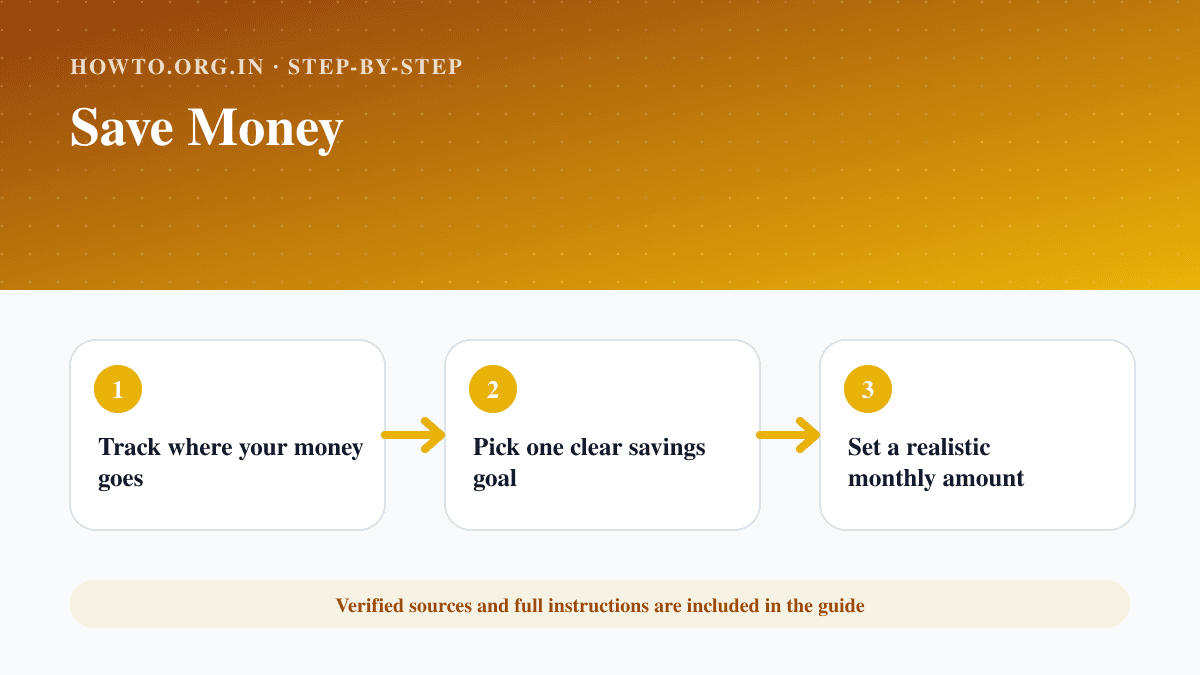
How to Save Money
Learn how to save money with expense tracking, savings goals, automatic transfers, bill review, spending limits, mistakes to avoid, troubleshooting, and FAQs.
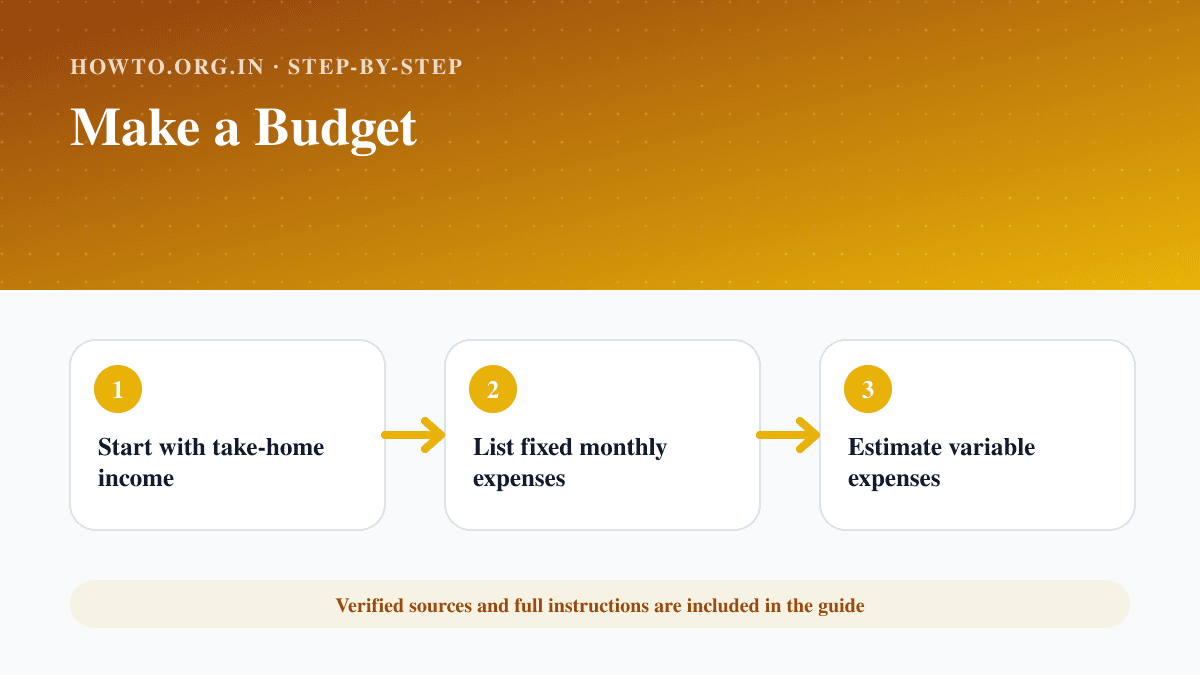
How to Make a Budget
Learn how to make a personal or household budget with income, expenses, the 50/30/20 rule, zero-based budgeting, a monthly example, mistakes, troubleshooting, and FAQs.
How to Plan a Road Trip
Learn how to plan a road trip with route, stops, budget, car checks, packing, lodging, emergency kit, common mistakes, troubleshooting, and FAQs.
Help us improve this guide
Tell us about an outdated instruction, unclear step, broken link or safety concern. Do not include passwords, account numbers, medical records or other sensitive information.